

As catastrophe strikes and water levels surge, the impact on a town can be overwhelming. Cottonwood, with its picturesque landscapes and lively neighborhoods, is also impacted. The consequences of the flood can leave families feeling lost and unsure about how to rebuild their houses and livelihoods. Here is where the committed team at the Cottonwood Flood Restoration Team step in, providing crucial support and advice during these difficult times.
Their swift response and in-depth knowledge establish them as a key resource for those devastated by flooding. Understanding the seriousness of the situation, the team acts tirelessly to examine damage, clean up hazardous materials, and restore homes to their former glory. With a firm commitment to the people of Cottonwood and years of background in emergency flood restoration, they ensure that residents are not just recovering, but are also uplifted by the support they receive in the face of hardship.
Grasping Flood Damage
Water damage from floods can have catastrophic effects on houses and commercial properties. When floodwaters elevate, they can enter structures, causing significant harm to the base, partitions, and wiring. Water can weaken structural integrity, leading to long-term issues if not addressed quickly. Restoration By Emergency Flood Team Cottonwood of mold is also a significant concern following a flood, as moisture creates an perfect environment for it to flourish, potentially compromising air quality and health.
The scope of flood damage can vary greatly depending on the timeframe of exposure to water and the kind of materials in the damaged area. Hardwood flooring, for illustration, may swell and distort, while rugs can absorb water, leading to pollution. The presence of debris and filth in floodwaters can add toxic materials into a house, making it essential to handle cleanup with caution.
In the town of Cottonwood, the impact of flood damage is felt across the community, affecting not just individual properties but complete neighborhoods. Quick response and expert assistance from the Cottonwood Flood Restoration Team are critical in reducing damage and ensuring that properties are rehabilitated to a secure condition. Understanding the various types of damage caused by flooding helps homeowners plan for possible emergencies and take preventive steps in restoration.
Prompt Reactions Strategies
As flooding occurs, the primary task is to guarantee the safety of every people in the inundated region. The Cottonwood Emergency Flood Unit prioritizes evaluating the scenario by recognizing hazardous situations, including elevated water levels and structural risks. Team personnel are prepared to swiftly identify safe escape ways and extend aid to those in need. Setting up a clear communication channel system is essential, as it facilitates prompt notifications and instructions for the residents.
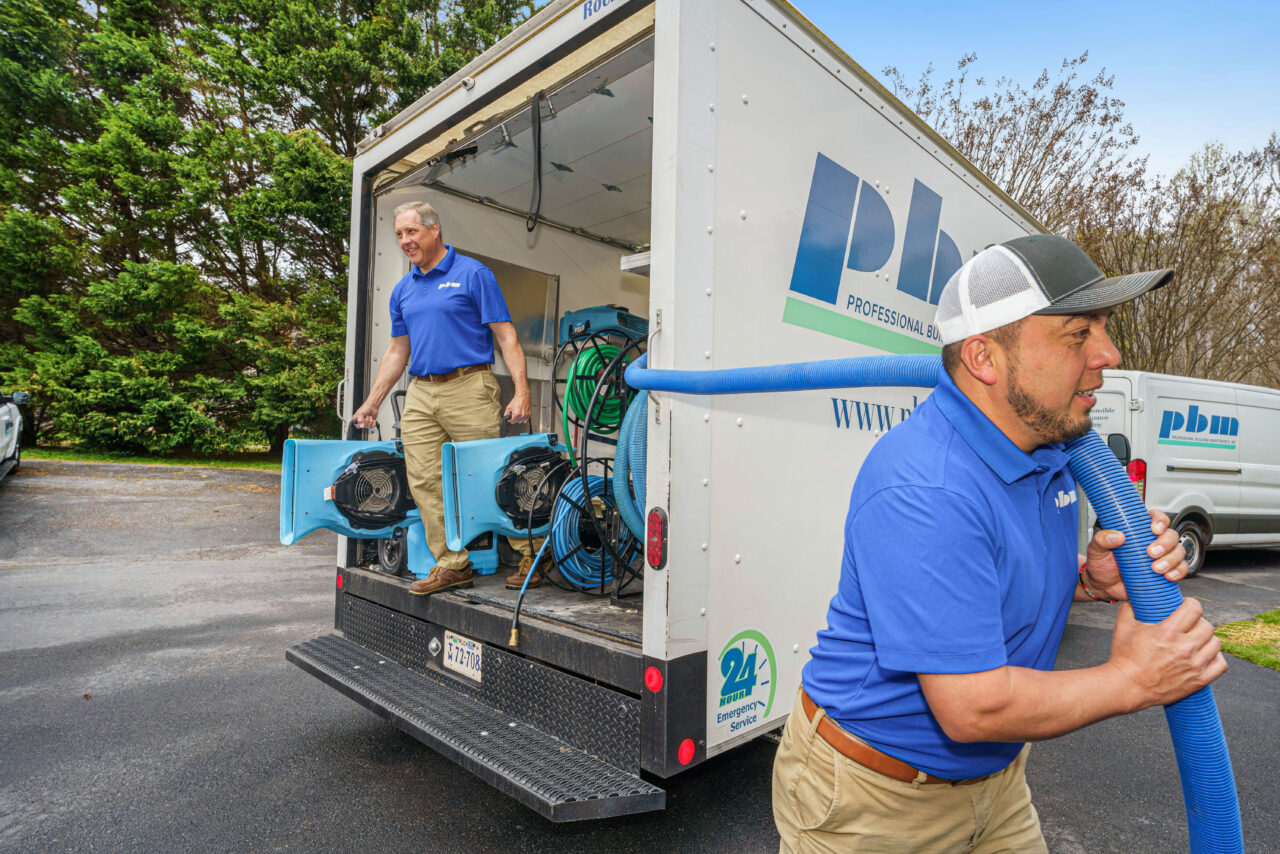
After protection is achieved, the focus transitions to reducing damage to buildings. The Flood Team in Cottonwood makes use of tailored tools to control water intrusion. This might consist of the application of drainage pumps and dehumidifiers to extract excess water and moisture swiftly. Rapid response can significantly reduce the level of damage from water, shielding houses, enterprises, and important items from greater restoration needs later on.
Coordination with local government and first responders is essential during this period. The Cottonwood Flood Response Team collaborates in tandem with these organizations to simplify recovery efforts. This collaboration ensures that assets are allocated properly and that their impacted needs are met. By merging resources, the restoration process becomes quicker, allowing the community to begin the journey to restoration more quickly.
Prolonged Recovery Planning
Effective long-term rehabilitation strategy is essential for areas affected by floods in the region. This process consists of evaluating the magnitude of damage and focusing on areas that demand urgent response. Working with regional stakeholders, including community members and local businesses, can yield important perspective into the specific demands of the community. This joint approach ensures that the restoration efforts align with the wants of those impacted and encourage a sense of ownership in the rehabilitation initiative.
Moreover, integrating eco-friendly methods into the restoration plan can enhance the robustness of the area against upcoming flood events. This may entail enhancing drainage infrastructure, implementing eco-friendly solutions, or rehabilitating ecological protections such as marshes. Putting resources into these initiatives not only handles present harm but also helps to averting additional occurrences, ultimately leading to a safer place for all inhabitants.
Ultimately, ongoing care and monitoring are vital elements of successful prolonged restoration. Establishing a focused team to oversee these activities can ensure that restoration initiatives remain successful over the years. Regular reviews will help spot any emerging concerns, allowing swift response to be taken. By committing to a comprehensive extended strategy, the community can rise from this crisis stronger and readier for the obstacles to come.
Address: 1421 E Birch St, Cottonwood, AZ 86326, United States Phone: +1 928-515-9698 Hours: Open 24 hours